
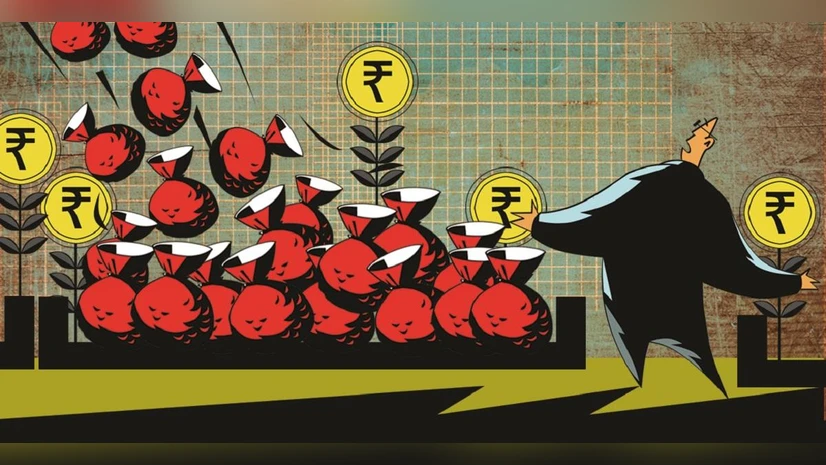
Alternative investment funds (AIFs) have crossed Rs 5 trillion in terms of funds raised, while the investment commitments have surpassed Rs 12 trillion for the first time as of September, according to data released by the Securities and Exchange Board of India (Sebi).
Frequently asked questions
What is an Alternative Investment Fund (AIF)?
An AIF is a privately pooled investment vehicle registered with SEBI that invests in assets beyond traditional listed equity and plain debt — such as private equity, private credit, venture capital, and hedge-fund-style strategies. SEBI classifies AIFs into Category I, II and III.
Who can invest in an AIF in India?
AIFs are meant for sophisticated investors. The minimum commitment is generally ₹1 crore (₹25 lakh for the fund's own employees and directors), and most schemes cap the number of investors per scheme at 1,000.
How is an AIF different from a mutual fund?
Compared with mutual funds, AIFs have far higher minimums, lower liquidity (often multi-year lock-ins or drawdown structures), lighter day-to-day disclosure, and — in Category III — the ability to use leverage and derivatives. They target a smaller, more sophisticated investor base.
How are AIFs taxed?
Broadly, Category I and II AIFs enjoy pass-through status — income (other than business income) is taxed in the hands of investors — while Category III AIFs are typically taxed at the fund level. Tax treatment is complex and depends on the income type; confirm specifics with your tax advisor.
Key terms
- Category I / II / III
- SEBI's three AIF buckets: Cat I (start-ups, SME, infra, social ventures), Cat II (private equity, private credit, real estate funds — no leverage for investing), Cat III (hedge-fund-style strategies that may use leverage and derivatives).
- Commitment & drawdown
- The total amount an investor agrees to invest (commitment) is called down by the fund in tranches (drawdowns) as it deploys capital, rather than all upfront.
- Hurdle rate
- The minimum return a fund must deliver to investors before the manager earns performance fees (carry).
- Carry (carried interest)
- The manager's share of profits above the hurdle rate — commonly around 20% — that aligns the manager's payout with investor returns.
- Lock-in
- The period during which committed capital cannot be redeemed. Cat I and II AIFs are close-ended with multi-year tenures.